Android UX

Coca-Cola

Redesigned My Coke Rewards into an evergreen mobile app for Coca-Cola North America, rebuilding the loyalty experience around immediate, experiential rewards instead of stockpiled points.

RoleUX Design
Team1 PM, 1 UI designer, 2 mobile engineers
The Problem

My Coke Rewards, Coca-Cola's loyalty program, launched in 2006 and grew to 3.2 million active users, but engagement had stagnated. CCNA wanted an evergreen mobile app that modernized the experience without losing existing members, built to scale across other Coca-Cola Company brands.

The behavior we needed to change was tedious and slow: users collected bottle caps and batch-entered codes later rather than redeeming them right away, in part because many rewards felt too low-value to bother with immediately. That gap, between how the brand talked about loyalty and what redeeming a reward actually felt like, was the real problem underneath the outdated interface.
Waving bottle cap characterIn order to reach millennial customers, brands need to focus on experience based loyalty programs, building a relationship with the individual, and providing a product that aligns with their values

Loose bottle capsCurrent My Coke Rewards members tend to collect caps and enter them later in a batch, rather than at the time of consumption
Grouped, smiling bottle capsAnalysis of the most successful loyalty programs showed that they create a community that transcends brand and product
My Role

I worked as the UX designer on the Android app, partnering with a PM, a UI designer, and two mobile engineers from research through design and internal testing. Early on, I ran an IBM Design Thinking workshop with the CCNA team to map user behavior and surface pain points before we started designing.

Key Decisions
1

Campaign-Based Reward Discovery

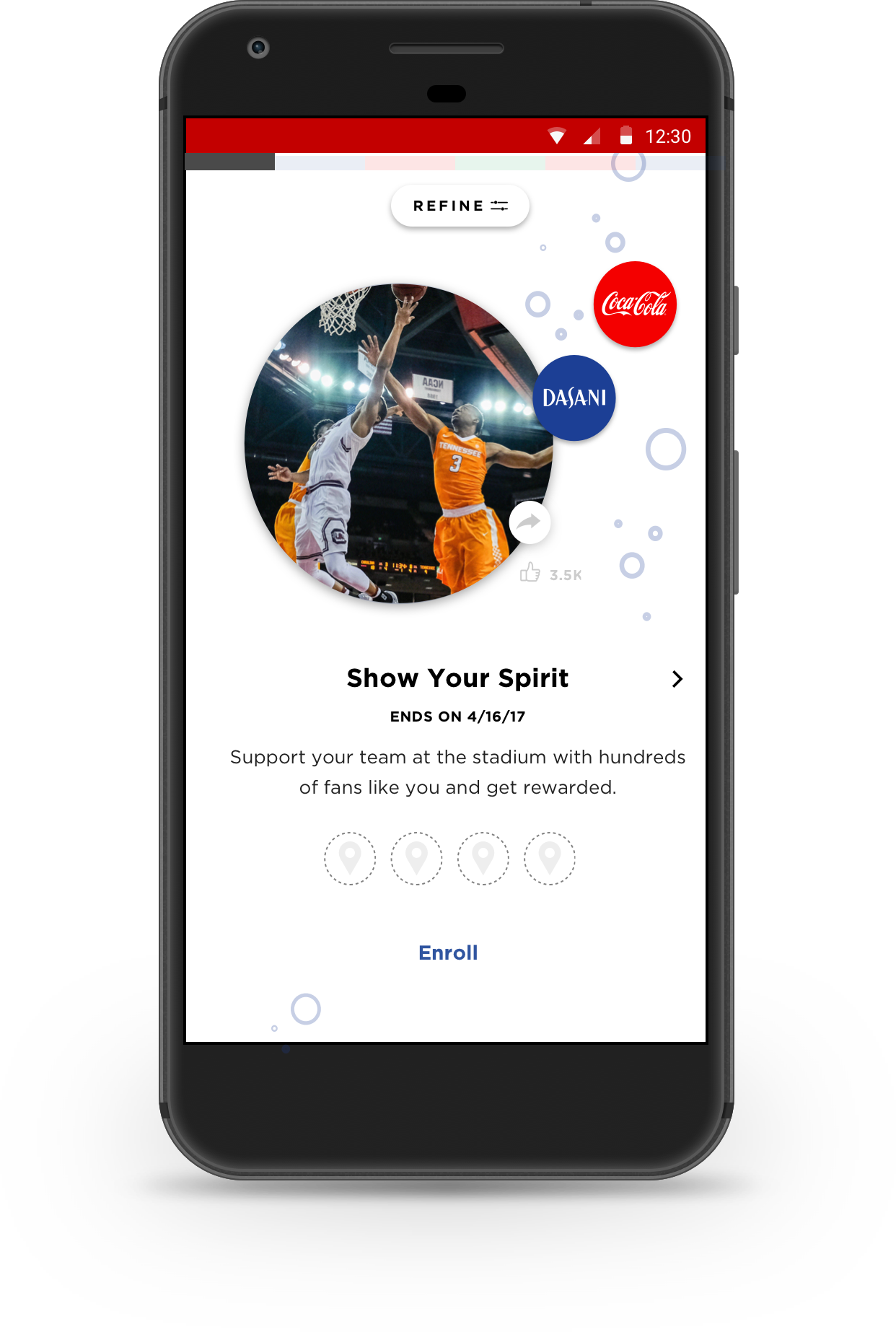
Rather than one generic rewards catalog, the app let users browse and opt into individual campaigns, each offering a different experiential reward: movie screenings, exclusive playlists, and other brand-aligned perks. Research showed the average American belonged to 21 loyalty programs but actively used fewer than half, and that the ones people stuck with built a relationship with the individual rather than just tracking points. Campaigns were the mechanism for that shift.

2

Designing for Immediate Redemption

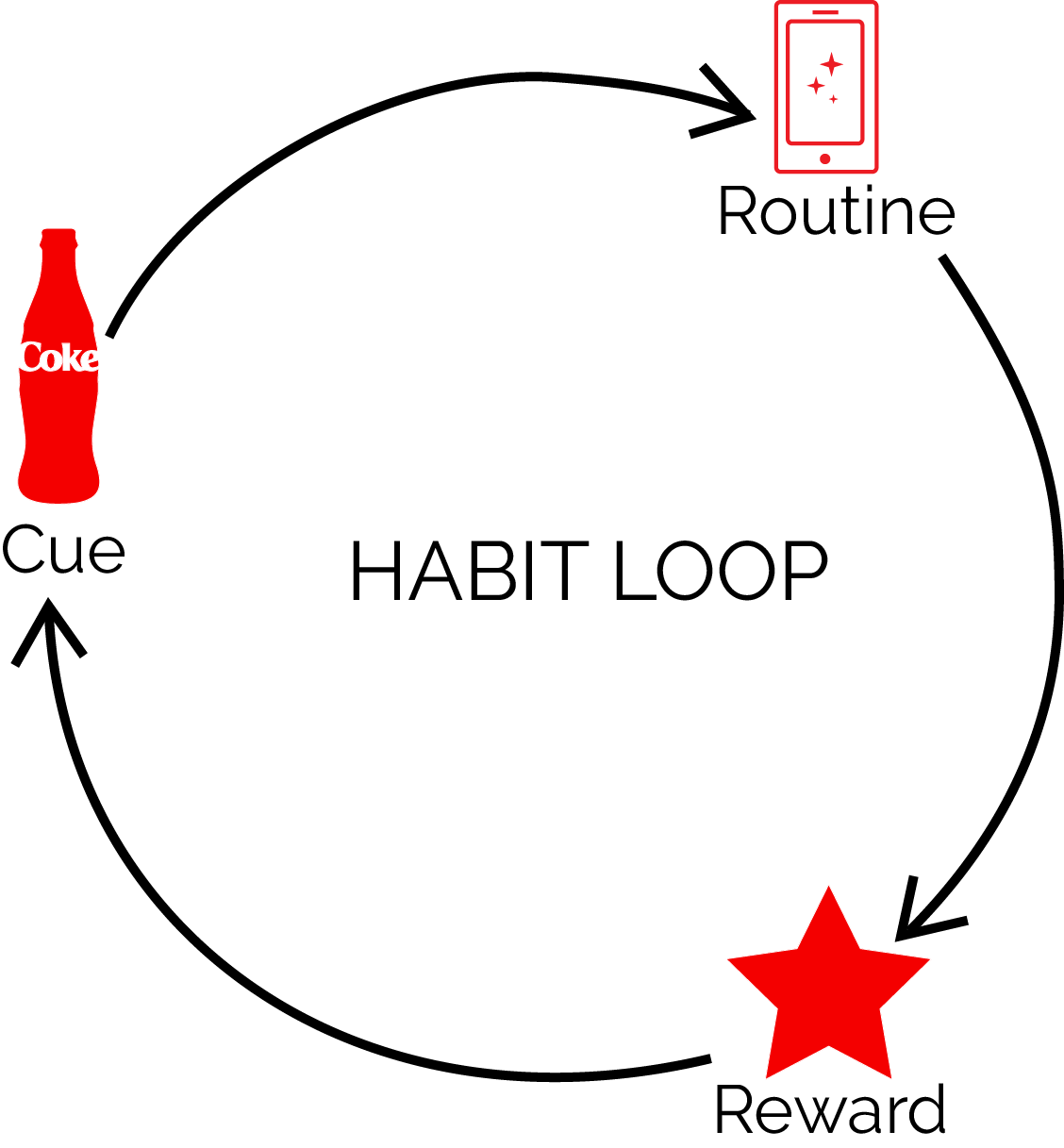
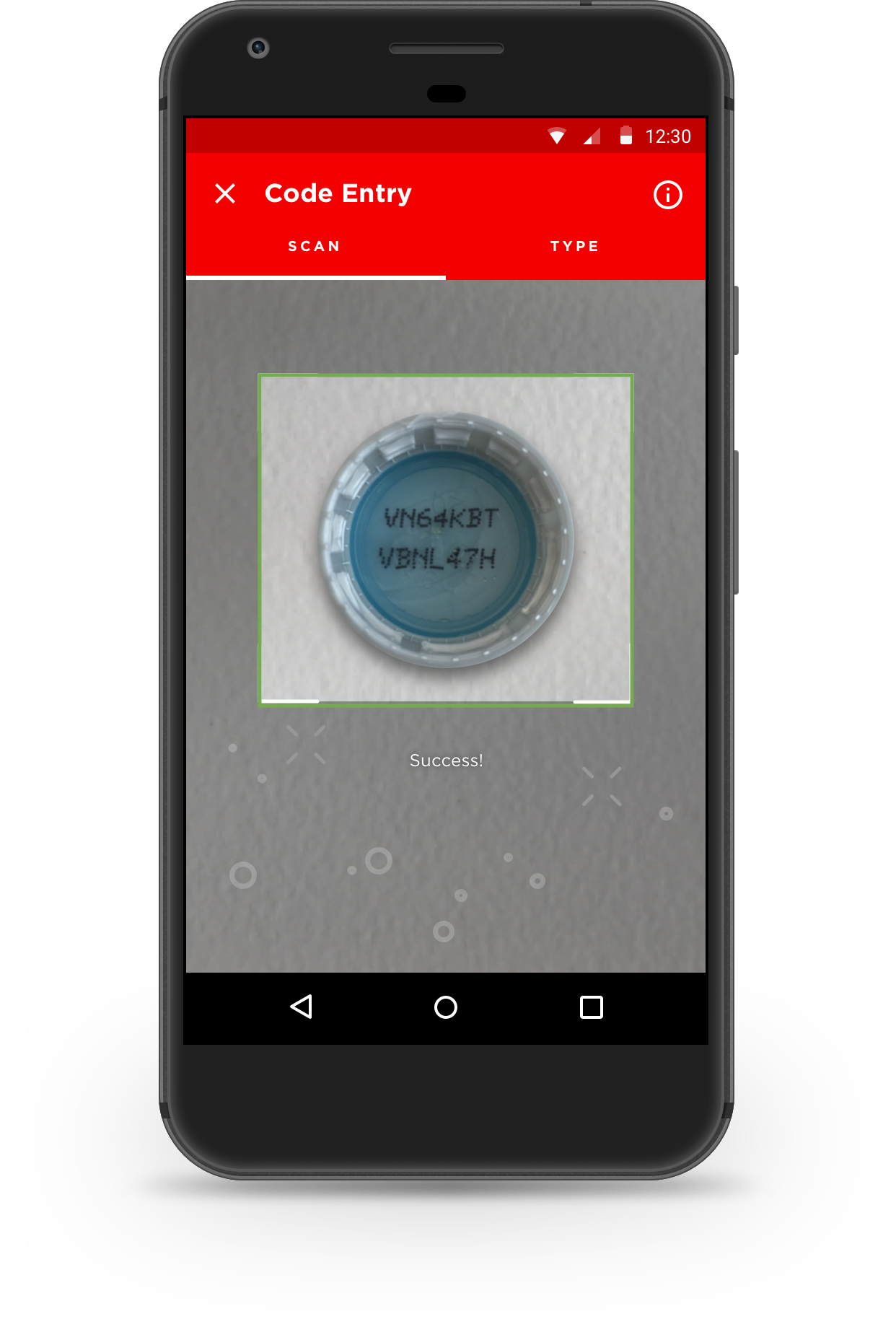
The habit we needed to break was batch entry, users collecting codes and redeeming them in bulk long after the fact. I designed entry around a simple loop: drinking Coke as the cue, entering the code as the routine, and the campaign reward as the payoff, placed as close to the moment of purchase as possible. Barcode scanning was planned for phase two, to remove manual entry as a barrier entirely.

3

A Modular System Built to Scale

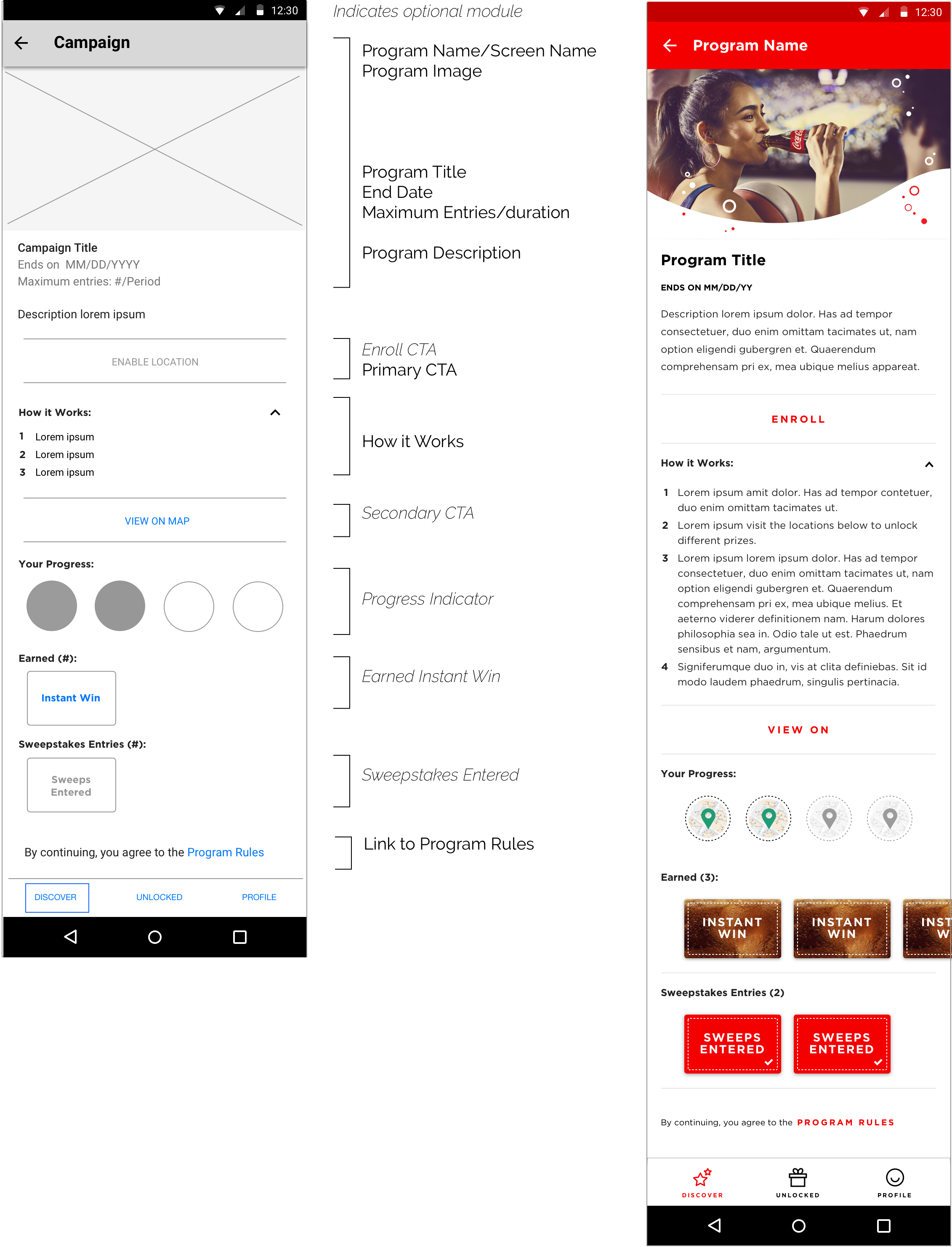
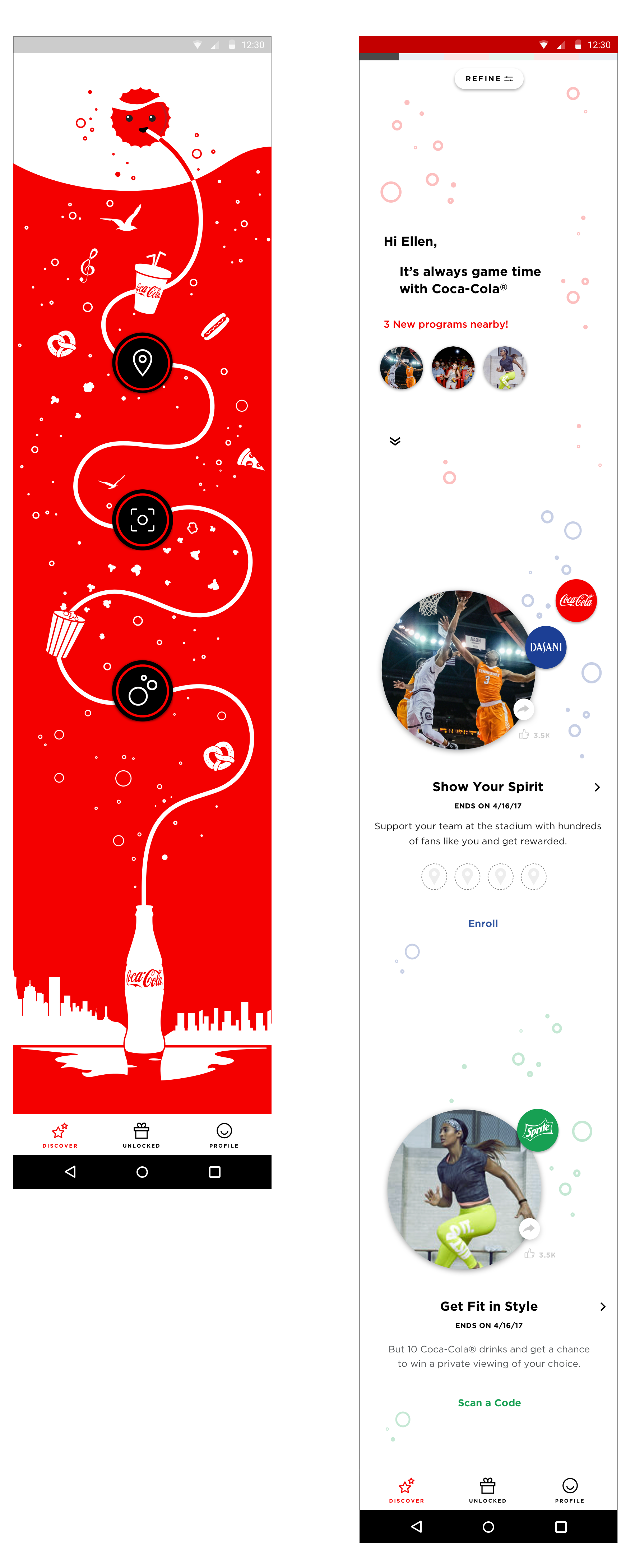
CCNA needed one platform that could support many campaign types and multiple Coca-Cola Company brands, not a custom build per campaign. I designed a component system for campaign cards, entry methods, and reward types, which usability testing helped refine directly: an early homescreen built around heavy branded illustration tested as confusing, and I simplified it to prioritize campaign scrolling, progress visibility, and clear next actions.

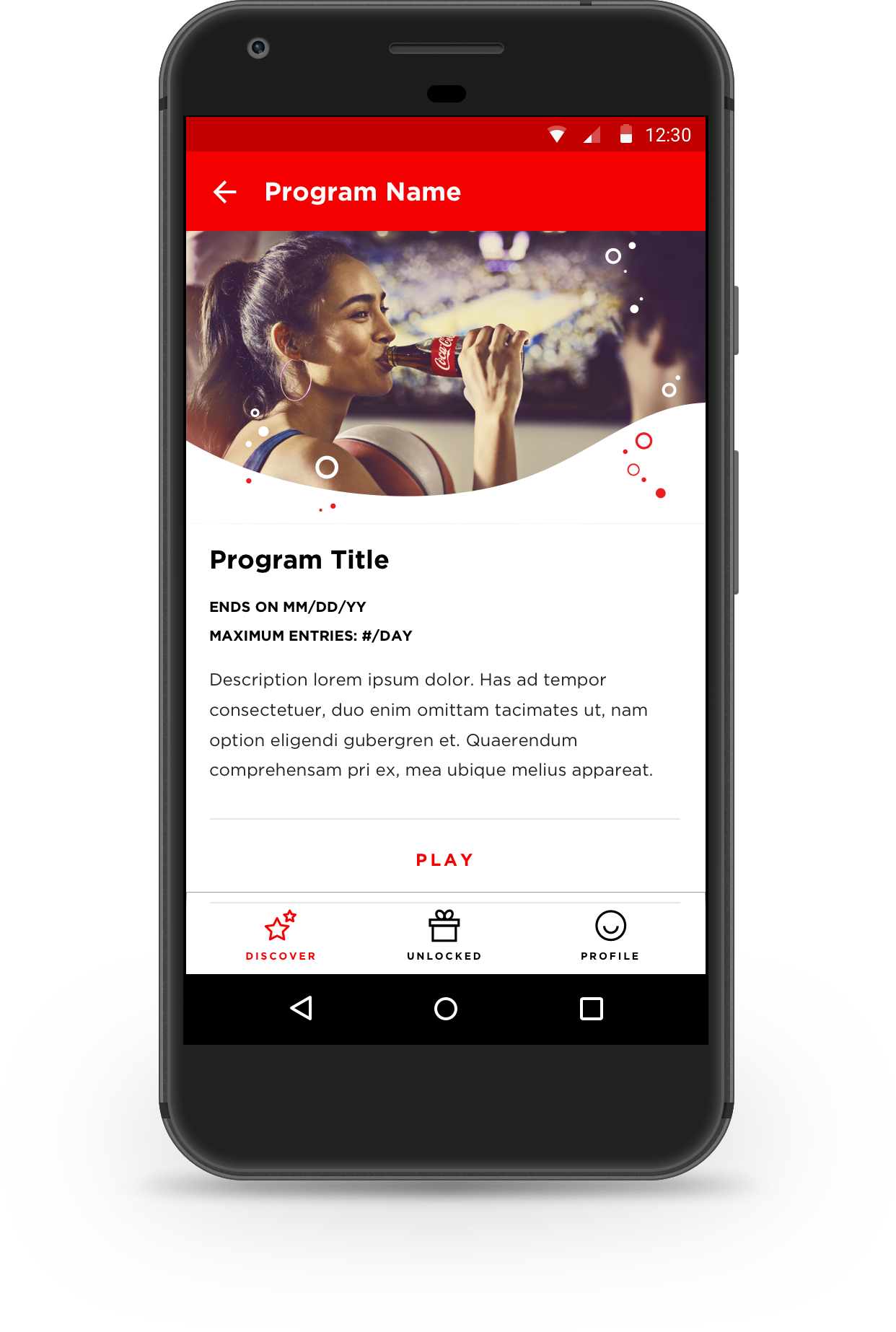
App homescreen showing active campaigns and progress
Users scroll through active campaigns and see their progress at a glance
Campaign details screen with rules and progress
Tapping a campaign opens its details — rules, progress, and how to play
Cue, routine, reward habit loop diagram
The cue-routine-reward loop: drinking a Coke, entering the code, unlocking the reward.
Code entry screen with scan and type tabs
Code entry, streamlined for mobile
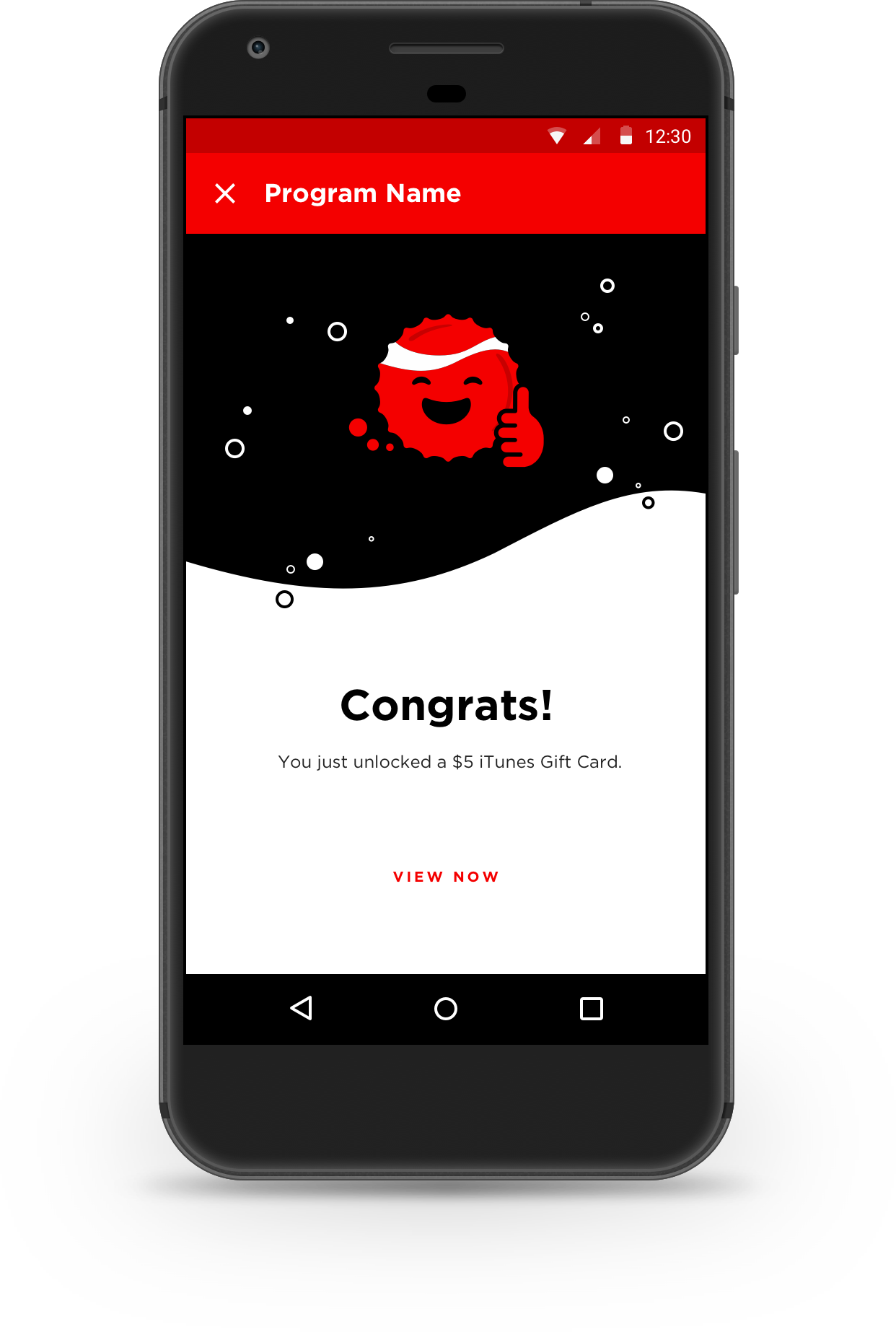
Reward unlocked congratulations screen
An instant reward, not a marketplace of points
Modular campaign component system, wireframe to shipped screen
A modular component system for campaign cards, entry methods, and reward types — wireframe to shipped screen.
Homescreen before and after usability testing
Usability testing flagged the original illustration-heavy homescreen (left) as confusing; the redesign (right) prioritized campaign scrolling and progress visibility.
Outcomes
100person internal alpha that validated the core flows before handoff

Employee testing surfaced two priorities for the next phase: performance and more reliable barcode scanning. I delivered the complete wireframes, prototypes, and architecture documentation CCNA needed to finish development in-house.

What's next: phase two barcode scanning, and rolling the campaign system out across additional Coca-Cola Company brands, the scalability it was designed for from the start.